



All posts by BIadmin

How to Appeal a Denial


If you disagree with your health insurer’s decision to not cover a service, you have the right to appeal this decision. Many appeals are approved. Some appeals are handled by your healthcare provider, but you can also appeal a decision yourself.

Follow these steps to file an appeal:

1. Gather all relevant information

The first step to appealing your insurer’s decision is to find out why your claim was denied. Get a copy of your denial letter and any document(s) submitted to your insurance as a part of the initial claim. This might include documents such as MRI findings, lab test results, operative reports, notes from your physician(s), letters of medical necessity, or medical bills related to the claim.

You should check your denial letter to find out when the deadline to file the appeal is. Your denial letter should explain when and how to file the appeal.

You will also want to get a copy of your insurance’s Evidence of Coverage document (sometimes called the benefit policy document). From this document you can determine what procedures your plan covers.

It can also be helpful to call the insurance company’s member services phone number. You can ask them for a detailed explanation of why the procedure was denied. If you can’t get a clear explanation that makes sense to you, you can ask to speak to a supervisor. Always ask the name of the people you speak with on the phone, write it down with the date you talk to them, and ask them to “put it in the record” that you’re working on disputing the claim.

2. File an appeal form or write an appeal letter

It is likely that your insurance company will have a standardized appeal form for you to fill out. If so, filling out their form will make the process move as quickly as possible. This form usually asks for most of the information you would include in an appeal letter.

If your insurance company does not have a standardized appeal form, you need to write an appeal letter asking your insurance company to reconsider their decision.   Even if your insurance company has a standardized appeal form, an appeal letter can sometimes add more persuasive evidence.

This is known as an internal appeal. If the internal appeal is denied, you can appeal for a review by an independent third party. This is called an external appeal. The decision made by the external board is usually final and can’t be appealed.

The appeal letter should include the following:

  • Your identification: your name, claim number, policy number, member ID number and any other information that will help identify you.
  • Reason for denial: quote the exact reason for denial that they explained in the denial letter.
  • Reason why you disagree with the denial: explain why you think the procedure should be covered. To make your case stronger, you can insert relevant language from your insurance policy document that indicates the procedure should be covered. You can also get a letter from your doctor explaining why the procedure is medically necessary and include medical document(s) that prove medical necessity.
  • What you are requesting: Ask them to reconsider the denial and approve your claim based on the information you provided in the letter.

Click here for a sample appeal letter.

3. Contact your state’s Department of Insurance

If you need help filing an appeal, you can contact your state’s Department of Insurance for help. You can also contact them if you need to file a complaint against your insurance company. Click here to find your state’s Department of Insurance website.

All articles are reviewed and approved by Diana Zuckerman, PhD, and other senior staff.
Concerns That Public Hearings on Breast Implants Will Favor Implant Manufacturers

Kris Pickel, CBS News: October 4, 2018.

PHOENIX (3TV/CBS 5) — The Food and Drug Administration has agreed to hold a public hearing on Breast Implant Illness. It’s a victory for women who petitioned the FDA but CBS 5 is investigating concerns the hearings will be stacked to favor implant manufacturers.

Breast Implant Illness (BII) is not recognized as a medical condition.

It is a term used by thousands of women to describe a wide range of unexplained symptoms experienced by women who believe their implants made them sick.

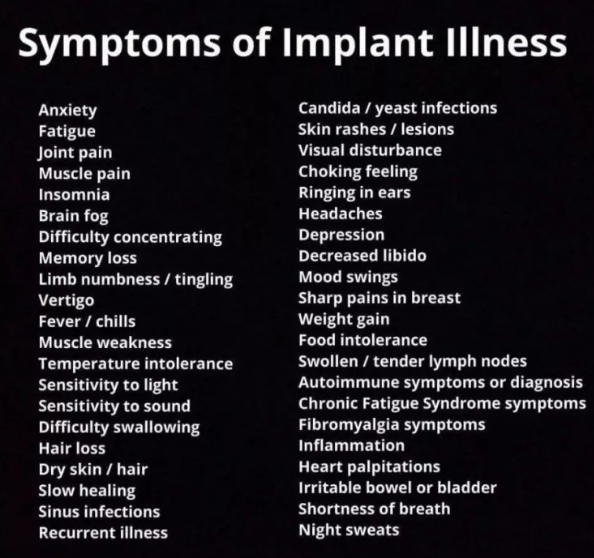
Symptoms of Implant Illness


CBS 5 has been investigating BII for almost two years and has seen the number of women coming forward increase by the tens of thousands.

When our first investigation aired, the Facebook group Breast Implant Illness and Healing with Nicole, had 17,000 members. It now has more than 51,000.

News reports and social media are connecting women who believe they suffer from BII.

They are finding strength in numbers.

More than 21,000 women signed an online petition demanding the FDA hold public hearings.

The FDA agreed to meet privately with a small group of women who believe they suffer from BII.

Among the women who traveled to the District of Columbia for the September meeting at FDA headquarters were breast cancer survivors, women who believe implants made them sick, experts on breast implants and women who recently played a role in having the birth-control device Essure pulled off the market.

Women in the group say the FDA set the terms for the meeting: No cameras, no recording, no reporters allowed.

Following the September meeting, the FDA released a statementdisputing a study linking implants to illnesses.

Buried at the end of the statement, the FDA announced they would hold a public hearing on breast implants next year.

Nicole Daruda founded the website HealingBreastImplantIllness.com and the closed Facebook group Breast Implant Illness and Healing with Nicole.

Daruda say some of the issues they want to address include taking textured implants the FDA has said might be linked to the potential for a rare cancer off the market, comprehensive studies and requiring surgeons to give women a checklist of potential risks at least a week before surgery.

In the FDA’s public hearing, an advisory panel will hear from industry representatives, experts, women who believe their implants made them sick and members from the public.

Following the public hearing, that advisory panel will vote on recommendations to make to the FDA. The panel does not have the power to make changes. It will only make recommendations.

Dr. Diana Zuckerman on CBS News

Dr. Diana Zuckerman is president of the National Center for Health Research in D.C. and is responsible for a dozen Congressional investigations on a various health issues.

Zuckerman says in the past, the FDA has stacked the panels with plastic surgeons who have a financial interest in protecting breast implants. 

“Having surgeons whose entire livelihood, or almost entire livelihood, is based on breast surgery, with breast implants, can’t possibly be objective,” Zuckerman said.

She says she has witnessed multiple times where plastic surgeons advocate for implants and dominate the hearings.

“I’ve seen situations where a statistician, for example, says, ‘Look at how unsafe these products are,’ and the plastic surgeon says, ‘No. No. No. We put these in all the time and they are very safe.'”

We contacted the FDA a several times during this investigation and asked if they would be looking at the panel to eliminate possible conflicts of interest.

They responded with a link to their application for panel members, which includes a section that addresses conflict of interest.

Conflict of Interest

The FDA website lists the core group of eight voting members on the advisory panel.

CBS 5 was able to confirm at least two of the doctors perform breast implant surgeries and a regulatory expert who previously worked for Johnson & Johnson, which owns implant manufacturer Mentor.

Zuckerman says in the interest of ensuring an unbiased panel, people should contact their elected officials in Washington and ask them to  pressure the FDA to make sure no one with financial ties to the implant industry sits on the advisory panel.

One Woman’s Story

Robin Towt shares her story

Cancer survivor Robyn Towt was in the group of women who met with the FDA.

When diagnosed with breast cancer, Towt immediately opted for a double mastectomy.

She says her health issues, including anxiety and insomnia, started the day her implants were put in.

Having survived cancer before, radiation was not an option.

Towt chose not to do chemotherapy, leaving no explanation as to why she was getting sicker.

“I have been never been that miserable in my entire life and in that dark a place,” she said. “I feel horrible because my family suffered. My husband suffered. I was not a happy person. I was not a healthy person. I had no quality of life. I was desperate. I was sleep deprived.”

Towt says a friend in a cancer support group suggested she look into her implants as a source for her health problems.

After connecting with women on social media, Towt had her implants removed just four months after having them put in.

She says her symptoms disappeared within 48 hours.

CBS 5 Investigates has uncovered that while implant manufacturers are required to publish informational booklets that include warnings on potential risks of implants, plastic surgeons are not required to give the booklets to women.

Towt says after her implants were removed, she went back and asked her surgeon for the booklet so she could compare the warnings to the consent forms she signed.

Towt says the warnings in the booklet were stronger when it came to certain risks, including cancer associated with breast implants.

“I kind of felt duped when I was comparing them because if I had read the information in that booklet to start with, I would have never ever considered it,” she said.

Towt’s plastic surgeon did not return calls to CBS 5 inquiring when the booklets are provided to patients.

A date for the FDA’s public hearing has not been set.

The FDA says it will happen sometime in 2019.


Read the original article and watch the news segment here.

Autoimmune Symptoms and “Breast Implant Illness”


Thousands of women have reported health problems after getting breast implants, including muscle and joint pain, chronic fatigue, mental confusion, rashes, dry eyes, and hair loss. These symptoms can suddenly develop right after getting breast implants, or they can develop gradually years later.

The Food and Drug Administration (FDA) approved breast implants more than a decade ago, but acknowledged that “studies would need to be larger and longer” to determine if implants could cause the symptoms and diseases many women are reporting.1 Many of the women refer to these symptoms and diseases as “breast implant illness,” although most physicians do not consider this term to be a medical diagnosis.

In their safety studies that were used for FDA approval, breast implant companies intentionally excluded women who had a family or personal history of autoimmune disease before getting implants. This is because those women might be more likely to have health problems from the implants. Breast implant companies recognize this as a shortcoming of their studies. For example, this is what Mentor says in their label for MemoryGel® implants:2

Safety and effectiveness have not been established in patients with the following:

Autoimmune diseases (for example, lupus and scleroderma)…”

Unfortunately, most physicians and most women considering implants are unaware of that warning.

What Is Autoimmune Disease?

Autoimmune diseases are conditions where immune cells attack your body. Immune cells usually help our bodies fight off infections and foreign substances. However, when immune cells react to silicone as a foreign substance, that can sometimes cause the body to start an immune response. In some cases, the immune system starts attacking the body. This can result in many different symptoms like joint pain, fatigue, mental confusion, dizziness, fever, and hair loss. Some women with breast implants report many different symptoms that do not fit with the diagnosis of one specific disease. Over time, some women develop a pattern of symptoms that are diagnosed as lupus, scleroderma, fibromyalgia, Sjogren’s Syndrome, Hashimoto’s, or other diseases.

Autoimmune diseases can target organs, such as the brain or liver. They can also involve many tissues, such as muscles or blood.3 In addition to autoimmune diseases, silicone-related diagnoses include raynaud’s disease, irritable bowel syndrome, and allergies.

Many autoimmune symptoms are also connective tissue symptoms, so the terms overlap.

Not all women with breast implants develop these health problems. It is possible that some women are more likely to develop autoimmune symptoms, such as those with a personal or family history of autoimmune disease, allergies, or a compromised immune system.4 Women who already had an autoimmune disease before getting breast implants may find that their symptoms got worse after getting breast implants. Certain genes may also increase the chances of developing autoimmune diseases or symptoms, sometimes as a reaction to silicone or other exposures.

How “Good” Is the Evidence?

There is conflicting evidence from studies that examined whether breast implants cause autoimmune disease or symptoms. Most of the existing studies were funded by implant companies or plastic surgery associations, and they tended to focus on narrowly defined disease diagnoses, rather than the symptoms that many women report. Some studies even relied on hospital or medical records. These types of studies do not accurately capture the magnitude of the issue because most women who experience symptoms are not hospitalized and do not receive specific diagnoses. Despite those challenges, there is a growing body of evidence that breast implants can cause autoimmune symptoms and connective tissue symptoms in some women.

In 2001, FDA scientists reported that women whose ruptured breast implants leaked silicone outside the scar tissue surrounding the implant were significantly more likely to have been diagnosed with fibromyalgia (a painful soft-tissue disease), pulmonary fibrosis, and connective-tissue diseases such as dermatomyositis.5 Fibromyalgia is a disorder that causes widespread pain in the body as well as fatigue. Little is known about how fibromyalgia develops, but researchers think it is an immune system problem.

In 2004, scientists from the National Cancer Institute reported that women with breast implants were more likely to have autoimmune symptoms. However, because symptoms were self-reported, the scientists concluded that more reliable research was needed to determine if breast implants caused specific symptoms or diseases.6

The National Center for Health Research reviewed dozens of research studies of the health problems of women with breast implants. This report points out the weaknesses in each study and highlights what we do and do not know about breast implant illness.

In 2018, researchers at the MD Anderson Cancer Center analyzed data that implant companies submitted to the FDA and published in a medical journal. The researchers found that “silicone implants are associated with an increased risk of certain rare harms.” For example, certain autoimmune diseases (such as Sjögren syndrome) increased by as much as 800%, among women with breast implants. However, the study had limitations because most of the women in the studies dropped out after just a few years.7

A study of more than 56,000 Israeli women, including more than 11,000 with breast implants, was published in 2018 in the International Journal of Epidemiology. They found that women with breast implants were significantly more likely to develop several autoimmune and rheumatic disorders, in particular sarcoidosis, systemic sclerosis, and Sjögren’s syndrome. 8

In recent years, the discovery that breast implants could cause cancer of the immune system (ALCL) supports the claim that breast implants can have a harmful impact on the immune system.

Treatment

If you already have breast implants and have any of the above symptoms that are not responding to other treatment options, research suggests that you may want to consider permanently removing your breast implants. Although there is no guarantee that removing your breast implants will improve your autoimmune symptoms, studies show that it is a very reasonable strategy. 

Many women with breast implants report that these symptoms greatly improved or completely disappeared after their breast implants were removed and not replaced. A study published in 2013, by researchers in the Netherlands, found that 69% of women with autoimmune symptoms who had their implants removed experienced reduction in symptoms and almost 20% experienced full recoveries after explantation.9 A meta-analysis, which is a type of study that combines the results from several studies, found that on average, 3 out of 4 women who removed their silicone breast implants saw improvement in their symptoms.10 The National Center for Health Research surveyed 449 women who had their breast implants removed, and more than 85% said their symptoms improved after explant.

For more information on removing your implants and finding a qualified surgeon, read our article here on explant.

The Bottom Line

Although well-designed large and long-term studies are lacking, for decades women with implants have reported developing autoimmune symptoms that later improved when their implants were removed.

If you already have an autoimmune disease, breast implants could make your symptoms worse. If autoimmune disease runs in your family, you may be at increased risk of developing an autoimmune reaction to breast implants.

All articles are reviewed and approved by Diana Zuckerman, PhD, and other senior staff.

Breast Pain, Redness, or Swelling


You may experience breast pain immediately after your surgery or years after your surgery. It’s important to find out what is causing your breast pain so that you can try to reduce it.

As with any surgery, augmentation patients should expect to feel pain immediately after surgery. However, pain that lasts for months or longer can have many different causes and requires treatment. It can be a sign of an infection, especially if the pain is accompanied by redness, swelling, and tenderness.

Pain can also be caused by capsular contracture, which is when scar tissue that has developed around the implant tightens or hardens. The breast will feel hard and may change shape. The more severe the capsular contracture becomes, the more pain you will experience.

Nerve injury can also cause chronic breast pain or loss of sensation (numbness) of the breast and nipples. Studies have found that between about 13 and 15% of augmentation patients experienced nerve injury or changes in sensation after surgery. Damaged nerves heal slowly and may not ever heal. If the nerve injury is severe enough, additional surgery may be recommended.

Swelling in the breast can be caused by infection, rupture, or Anaplastic Large Cell Lymphoma (ALCL), a cancer of the immune system. If you notice swelling in your breasts, your doctor should test the fluid around your implant for signs of bacteria or signs of cancer.

All articles have been reviewed and approved by Diana Zuckerman, PhD,  and other senior staff.

What is Breast Implant Illness?


“Breast Implant Illness” is the term frequently used by women whose breast implants have caused a pattern of debilitating symptoms, such as joint pain, “brain fog,” fatigue, and other flu-like symptoms that don’t go away.  Many but not all these health issues seem to be related to autoimmune disorders or connective tissue diseases.  Breast implant illness is not a medical diagnosis and most plastic surgeons reject the term.  However, many women with this pattern of health problems report that they recovered dramatically (sometimes completely) after their breast implants were removed.

For more information about the typical symptoms of breast implant illness, see http://breastimplantinfo.org/autoimmune-symptoms-breast-implants/.  For a more detailed understanding of the research on these symptoms, see our 2018 report at http://breastimplantinfo.org/breast-implant-illnesses-whats-the-evidence/.

MD Anderson Physicians Find Increase in Rare Diseases Among Women with Breast Implants

Coroneos, Christopher J., et al. “US FDA Breast Implant Postapproval Studies: Long-term Outcomes in 99,993 Patients.” Annals of surgery (2018).

A study published in September 2018 in the medical journal Annals of Surgery, entitled US FDA Breast Implant Postapproval Studies: Long-term Outcomes in 99,993 Patients, concluded that “silicone implants are associated with an increased risk of certain rare harms” and that further study is needed “to inform patient and surgeon decision-making.”  The study is important because it is largest study to date, but it has limitations because it is based on data from flawed studies conducted by two implant companies, Mentor and Allergan.

The data collected from the two studies were supposed to be very similar, but because of how poorly the studies were conducted, they are not comparable.  Mentor’s data are focused on patients’ self-reporting on questionnaires, primarily on data of only 20% of the patients collected 7 years after the study was started. Allergan’s data are based on physicians’ diagnoses during the first two years after the patients had implant surgery.  Since patients’ self-reports at 7 years would be expected to include more complications than physicians’ diagnoses after 2 years, it is impossible to make meaningful comparisons between the two manufacturers. Nevertheless, it is important to note that the MD Anderson researchers found that the risks of certain autoimmune diseases increased by 800% (Sjogren syndrome), 700% (scleroderma), and 600% (arthritis) for the women with Mentor silicone gel breast implants compared to the general population of women of the same age and demographics.  Stillbirths increased by 450% in the women who became pregnant.  Other autoimmune and rare diseases were also significantly higher among women with Mentor silicone gel implants.  These diagnoses were also statistically significantly higher (although not as dramatically increased) for women with Allergan implants compared to the general population of women of similar demographics. Given the large percentage of women who were not in the study for more than 1 year, it is not possible to know how representative these findings are. However, these results certainly deserve careful attention.

It is also important to note that the women with saline breast implants who were in the Mentor and Allergan studies were not analyzed in the MD Anderson study.

FDA Response

In response to this important study, Dr. Binita Ashar of the FDA published an editorial in the same issue of the same medical journal, claiming that the MD Anderson study “failed to account for methodologic differences between studies, inconsistencies in the data, differential loss to follow-up, confound and other potential sources of bias.”  That is true.  However, Dr. Ashar did not mention that the FDA should take responsibility for all the shortcomings of the data that MD Anderson analyzed.  She did not mention that the flawed data were based on studies that were required by the FDA as a condition of approval for the breast implants made by Allergan and Mentor.  The data were flawed because women soon disappeared from the study, and the FDA did not require the companies to finish the studies, as they should have,

As a result of the FDA’s failure to enforce the study requirements, the large Allergan and Mentor studies used as the basis of the MD Anderson analyses were very flawed short-term studies rather than the 10-year studies that FDA had proudly said they were requiring.  Whereas the companies blamed the study shortcomings on the enormous number of women who “dropped out” of the study shortly after enrolling (including 80% of the women with Mentor implants after only 1 year), we have interviewed women who were enrolled in those studies who told us that they did not drop out of the studies – rather they were “dropped” from the study by the researchers without their consent.  They never heard from the researchers and hence had no opportunity to tell the researchers how sick they had become after getting breast implants.   Instead, several of those women went to the FDA this month to explain to FDA scientists what happened.  They told Dr. Ashar and other FDA officials that they were dropped from the studies.  They told Dr. Ashar and other FDA officials that they had suffered from autoimmune and connective tissue symptoms such as the ones reported in the MD Anderson study.  They told Dr. Ashar and the other FDA officials that despite being sick for years, they were unaware that breast implants could be the cause because neither the FDA nor their plastic surgeons had warned them of the risks.  When they finally found each other on social media (on Facebook pages joined by more than 50,000 women harmed by breast implants), they realized that removing their implants might help.  Much to their surprise, they experienced almost miraculous recoveries after their implants were removed by experienced explant surgeons.   The women told Dr. Ashar and other FDA officials that their symptoms disappeared entirely or improved by 85%.

The FDA editorial was written before Dr. Ashar met with the former implant patients this month, but she had previously met with several of the same women who had reported these same problems and recoveries after explant surgery.  So it is very discouraging that FDA staff have been and continue to be so close-minded about the risk of breast implants despite the MD Anderson analyses.

What Have we Learned from the MD Anderson Study?

We agree with the FDA and the MD Anderson researchers that these results can’t be considered conclusive, but the FDA needs to look at the data more carefully and require better studies so that they can reconsider their repeated claim that breast implants are only proven to cause local complications, such as leaking and painful implants.  Although the FDA admits that breast implants can cause a cancer of the immune system known as ALCL, they continue to quote industry-funded studies claiming that implants do not cause other systemic illnesses.  It should be obvious to open-minded scientists that if breast implants can cause cancer of the immune system, they can probably cause other serious immune system diseases and symptoms.  Moreover, the results of the MD Anderson study supports those concerns about autoimmune symptoms and diseases.

What should be the key information of importance to women considering breast implants or women who have them in their bodies? Clearly, these studies indicate that patients should report any new symptoms that develop after getting their implants, whether involving their breasts or other parts of their body.  Breast implant patients should know that the FDA recommends MRI imaging of silicone breast implants 3 years after the augmentation or reconstructive surgery and every 2 years thereafter.

Read the original article here.

FDA Plans Meeting to Discuss Safety Data on Breast Implants

Marilynn Marchione, Associated Press: September 14, 2018.

U.S. health regulators say they’ll convene a public meeting of medical advisers next year to discuss new science on breast implant safety, including an independent analysis that suggests certain rare health problems might be more common with silicone gel implants.

The Food and Drug Administration said it would hold the meeting even as its officials and several independent experts disputed the new work. Leaders of the study concede that it has big limitations and cannot prove that implants cause any of these problems.

Yet it involves nearly 100,000 women and is the largest long-term safety analysis of silicone implants since 2006, when they were allowed back on the U.S. market after a 14-year gap due to safety concerns.

“We completely stand behind this study and we do feel it’s our best data to date,” said lead researcher Dr. Mark Clemens, a plastic surgeon at the University of Texas MD Anderson Cancer Center. Women need as much information as possible to make an informed decision about whether and what kind of implant to get, he said.

The journal Annals of Surgery plans to publish the report on Monday. Study leaders have no current ties to implant makers although Clemens consulted for one in the past.

A POPULAR CHOICE

Each year in the U.S., about 400,000 women get an implant and most choose silicone over saline; surgeons say it can give a more natural look. Three-fourths are for women who want bigger breasts; the rest are for reconstruction after cancer surgery.

“Breast implants are not lifetime devices” and up to 20 percent of women getting them for enlargement need to have them removed within 8 to 10 years, the FDA’s website warns.

Complications can include infections, wrinkling, scarring, pain, swelling and implant rupture. Implant users also may have a very small but increased risk of a rare lymphoma, a type of cancer, the FDA has said.

But the agency decided there was not enough evidence to tie silicone implants to other problems such as immune system and connective tissue disorders, so it approved devices from two makers — Allergan and Mentor Corp. — in 2006. FDA required the companies to do more studies on how women fared, and the Texas researchers used these reports in an FDA database for their analysis.

WHAT THEY FOUND

Compared to women without implants, those with silicone implants seemed to have greater rates of an immune system disorder called Sjogren syndrome, a connective tissue disorder called scleroderma, and the skin cancer melanoma, although cases of these were rare, the researchers reported. But rates for other problems such as fibromyalgia were lower among implant users. Reproductive problems such as birth defects and stillbirths were mixed and inconsistent.

Furthermore, a higher rate of rheumatoid arthritis was tied to one brand but a lower rate for another. The difference gets to what critics called a fundamental flaw in the data used for the analysis: One implant maker required proof of diagnosis by a doctor rather than just a patient reporting a problem to include it in the database; the other did not.

Another study weakness is that more than half of women dropped out of touch within two years of their operations.

Because of these and other shortcomings, “we respectfully disagree” with the researchers’ conclusions and urge that they be viewed with caution, Dr. Binita Ashar of the FDA’s Center for Devices and Radiological Health said in a statement.

WHAT OTHERS SAY

“This study is messy” and has the potential to create more anxiety than insight, said Dr. Andrea Pusic, plastic surgery chief at Brigham and Women’s Hospital in Boston and president-elect of the Plastic Surgery Foundation, which supports research and advocacy by the American Society of Plastic Surgeons.

The group gets industry grants for some of its work, and Pusic gets royalties from a questionnaire used in many studies including this one.

Dr. Charles Thorne, plastic surgery chairman at Lenox Hill Hospital in New York and president elect of the American Society of Aesthetic Plastic Surgery, said the inconsistency in some of the results “is a little hard to explain” since the devices are similar chemically.

But the study is a worthy effort, he said.

“We have to constantly reevaluate the data and make sure things are safe,” Thorne said. “The best evidence we have now indicates there’s no increased likelihood of these systemic diseases.”

Read the original article here.

Statement of Dr. Diana Zuckerman, President of the National Center for Health Research, Regarding the 2018 Study of 100,000 Women with Breast Implants

Diana Zuckerman, PhD, National Center for Health Research: September 17, 2018.

In the largest study ever conducted of long-term health risks for patients with breast implants, researchers at The University of Texas MD Anderson Cancer Center have reported that women with silicone implants are more likely to be diagnosed with several rare diseases, autoimmune disorders, and other conditions.  These results are consistent with numerous previously published studies, but contradict the conclusions of studies funded by implant manufacturers or plastic surgery medical societies.

The study, published in the September issue of the medical journal Annals of Surgery, is by researchers in MD Anderson’s Department of Plastic Surgery and is based on analyses of almost 100,000 patients with either saline or silicone implants. The information was derived from the FDA’s database dating back to 2005.  When the FDA approved silicone gel breast implants made by two manufacturers in 2006, the agency required that each of the manufacturers study at least 40,000 women for 10 years.  Those studies were started but never completed, making it impossible to determine the long-term risks of breast implants.  In the absence of such crucial studies, patients report that they were not warned about the risks when they decided to get breast implants.

We thank Mark W. Clemens, M.D., associate professor, Plastic Surgery, the senior investigator of this very important study.  The findings are consistent with what thousands of women with breast implants have reported in Facebook groups and other social media, and directly challenge the FDA’s claims that breast implants do not cause such diseases.  We urge the FDA to be more patient-centered and finally require independent studies be conducted of women before and after their breast implants are removed.  Many women have reported that their debilitating autoimmune symptoms decreased or disappeared after their breast implants were removed, but scientific data is needed to establish the rate of recovery.

Breast implants making women sick? Florida women take their case to Washington

Daralene Jones, WFTV News: September 12, 2018.

CENTRAL FLORIDA – Local women are taking their fight against breast implants to the nation’s capital.

They first contacted 9 Investigates more than a year ago with claims their silicone gel-filled implants made them sick, and that they only got better once the implants were removed.

An FDA spokesperson confirms the closed-door meeting to 9 Investigates. The public and media were not allowed to attend.

The Central Florida women who attended the meeting said they want more transparency about the ingredients as well as better public awareness about risks that sometimes don’t show up for years.

They also want manufacturers to provide doctors with a checklist – that must be signed — warning women about illnesses some feel are only caused by implants and a rare cancer that’s already been linked to them.

“I’m still having trouble digesting food,” said Terri Diaz, who was one of 20 women who recently went to Washington to meet with the FDA.

Diaz is still trying to get her body back to a healthy state after she finally had her breast implants removed a year and eight months ago with a procedure commonly called, “ex-plant” surgery.

“That’s what we’re trying to do, hold the FDA accountable. They’re supposed to protect us,” Diaz said.

Last summer, 9 Investigates first reported about women blaming their implants for unexplained illnesses.

At the time, nearly 20,000 women were discussing the problem in a Facebook group. There are now more than 50,000 in that group.

Diaz also formed a Facebook group specifically for Florida women. It has the attention of nearly 2,000 implant patients.

Dr. Marguerite Barnett has a six-month waiting list for women who want their implants removed, and has expressed frustration with the FDA for not setting up a registry promised to track the implants.

“We have no idea of the failure rate, other than what the manufacturers choose to report,” Barnett said. It’s sad that we’re lacking all of this basic data.

The FDA granted pre-market approval to two breast implant manufacturers in 1996, expanding marketing of implants, but both companies were required to perform post studies to monitor safety and effectiveness.

Dr. Barnett says some of her patients never received proper follow-up care.

And although manufacturers do provide warnings about the health risks that can be associated with the class three medical devices, there are questions about whether patients are getting the message.

“So much of it is in technical terms, I think we really have failed to give really good informed consent,” Barnett said.

One of the implant manufactures told 9 Investigates in a statement they are partnering with groups to develop that breast implant registry — to better understand the cause the cause, incidence and potential risk factors associated with that rare form of cancer–no mention of other illnesses.

The FDA did not commit to any changes during the meeting, but told us 9 Investigates that they continue work to develop that registry.

The women in that meeting said they feel the FDA is strongly considering an Advisory Committee Panel meeting on breast implant issues.

Read the original article here.

Sample Appeal Letter

Here is a sample appeal letter written for a woman with severe capsular contracture and a ruptured implant who was denied coverage for her breast implant removal surgery. For help editing your own appeal letter, contact us at info@breastimplantinfo.org. Click here to download.


Breast Implant Removal Office
555 Smiles Way
Healthytown, DC 55555

April 6, 2018

XYZ Claims Department
Attention: Appeals
167 Daisy Lane
Milwaukee, OK 12345

RE: Appeal for Denial of Claim Submitted by Jane Doe

Group/Policy number: 1425-2345-1234
Date(s) of service: February 31, 2018

Dear XYZ Claims Department:

I am writing on behalf of my patient, Jane Doe, to appeal XYZ’s decision to deny coverage for her breast implant removal surgery. I recommended the surgery because Ms. Doe has severe capsular contracture, which is causing her severe pain, restricting her movements, and interfering with mammography. In addition, her right implant is broken.

Your denial letter dated November 3, 2017, states that coverage for this procedure was denied because Ms. Doe’s “current condition does not meet the needed requirements and a bilateral breast revision is not medically necessary.” According to your letter, that determination was based on XYZ’s Coverage Criteria #567 and the details of her case. Your review concluded that because Ms. Doe has “not had breast cancer surgery or a breast injury,” you cannot approve the request for explant surgery.

We respectfully ask you to reconsider that decision. According to page 23 of my patient’s XYZ Medical Policy document (copy enclosed), Ms. Doe’s plan covers all “medically necessary” services that are not expressly excluded. Her plan does exclude cosmetic procedures; however, Ms. Doe’s implant removal is NOT a cosmetic procedure. Although Ms. Doe initially had the implants placed for cosmetic reasons, I recommended permanent removal solely to treat her present medical condition.

A review of XYZ’s Coverage Criteria #567 confirms my view that removal of her implants should be considered medically necessary. The guideline states:

Removal of breast implants for any of the following conditions may be medically necessary:
– Broken or failed implant;
– Infection;
– Implant extrusion;
– Siliconoma or granuloma;
– Interference with breast cancer;
– Breast pain; and
– Painful contraction”

Ms. Doe meets several of the above-stated criteria. I diagnosed her with Baker Grade IV capsular contracture (i.e. “painful contraction”) in her left breast, which is causing her chronic pain, restricting her movements, and interfering with mammography. Because of the pain, Ms. Doe regularly takes pain medication. Additionally, the MRI detected that Ms. Doe’s right silicone gel implant has broken (failed).

Consequently, based on the aforementioned language of the XYZ Medical Policy document and XYZ Coverage Criteria #567, XYZ should consider Ms. Doe’s implant removal a medically necessary procedure. Surgical removal of breast implants is the standard medical treatment for severe capsular contracture. The surgery is not intended to improve her appearance, rather it is intended to relieve her pain and restore her functioning. There is no other equally effective treatment available to Ms. Doe that is more conservative or less costly. Without removal, Ms. Doe will continue to experience severe pain and restricted movement, and her capsular contracture will make future screening mammograms difficult, if not impossible.

Based on this information, I request that you reconsider your denial and approve coverage for Jane Doe’s breast implant removal surgery. For your convenience, I have enclosed copies of all Ms. Doe’s relevant medical records. If you need additional information, please do not hesitate to contact me at (111) 111-1111 or doctor@iworkhere.org.

Thank you for your immediate attention to this matter.

Sincerely,

Dr. David Healthcare, Chief of Breast Implant Removal Operations
NPI# 1234567890

Enclosures:
Ms. Doe’s XYZ Medical Policy
Ms. Doe’s Office Visit Notes from 11/21/2017
MRI Report from 12/10/2017
Ms. Doe’s post-operative report from 2/31/2018